Begin with the water supply
The right shower needs to work with your home’s water and heating arrangements. A product that performs well in another bathroom may not suit yours. Before ordering, ask the installer to check the available supplies and the product’s requirements. Appearance and the advertised size of the showerhead are only part of the decision.
Describe any problems with the current shower, such as an uneven temperature or a weak flow. Mention whether other taps affect it when they are used. These observations can help the installer investigate, but they do not identify the cause on their own. Do not buy a replacement pump or shower valve until the existing system and proposed product have been checked.
Electric showers and mixer showers
An electric shower heats cold water as it passes through the unit. It needs a suitable electrical supply as well as the correct water connection. Replacing one with a higher-powered model is not automatically a straightforward exchange. A qualified electrician needs to assess the circuit and any necessary changes before the new unit is fitted.
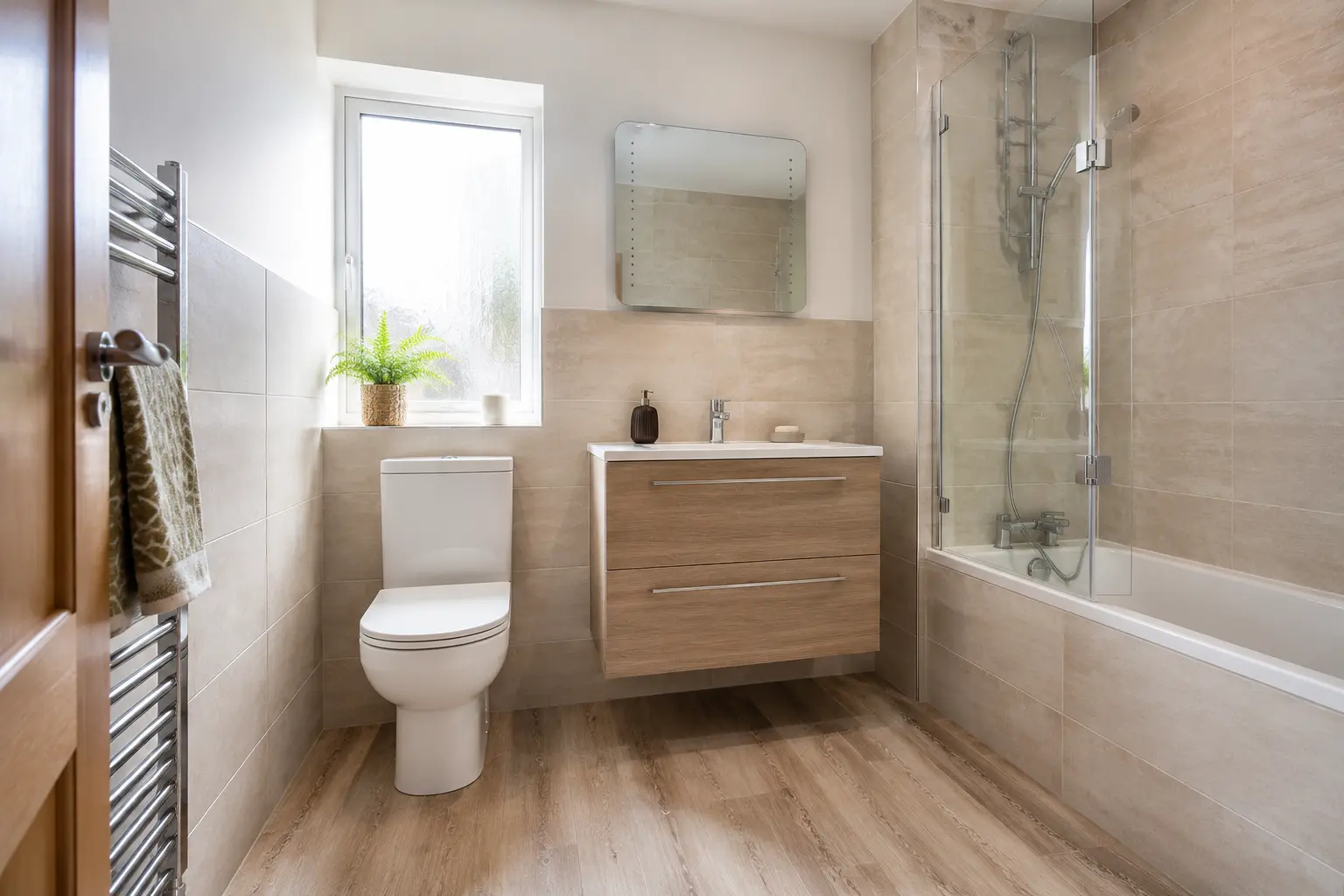
A mixer shower combines hot and cold water supplied by the home’s system. Its performance depends on suitable supplies and a compatible valve. Ask the installer which products work with your setup and why. Avoid choosing a shower solely because a description promises a powerful flow; the actual installation must be able to support the product.
Choose controls that are easy to use
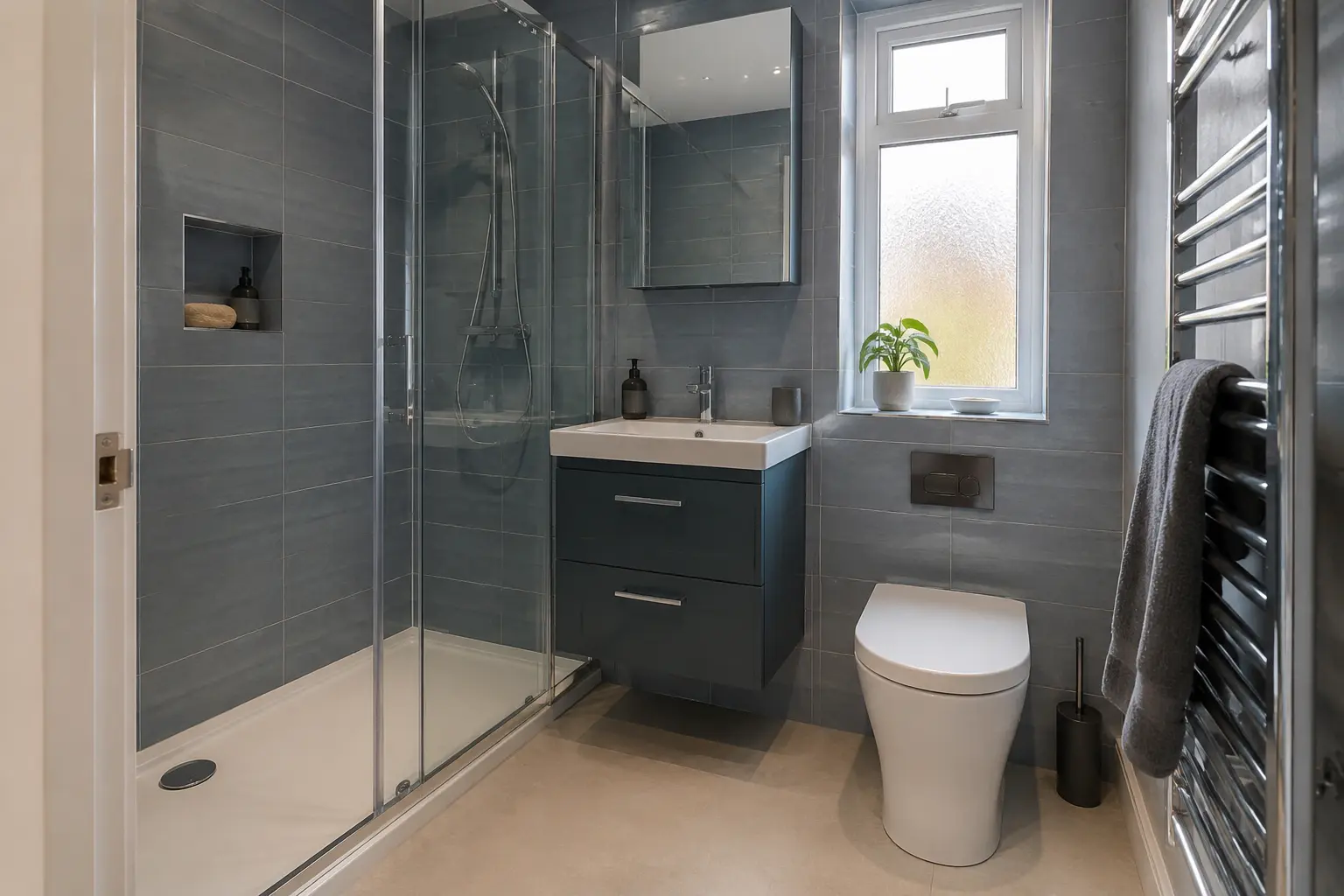
Think about turning the shower on before stepping beneath the water. Controls close to the entrance can be easier to reach than controls at the far end, if the pipework and layout allow it. Check whether the markings are clear and the handles are comfortable to turn with wet hands. Small decorative controls can be less practical for some users.
Thermostatic controls are designed to help regulate the mixed water temperature, but correct selection, installation and maintenance still matter. Where children or someone with particular access needs will use the shower, discuss that directly with the installer. Product features should support the person using them; no control should be treated as a substitute for appropriate supervision or individual advice.
Showerheads, hoses and cleaning
A fixed overhead shower can be comfortable to stand under, while a handset makes it easier to rinse the enclosure or wash without wetting your hair. A combined arrangement may be useful, but it adds fittings and requires suitable flow. Consider how you actually shower before choosing the largest head on display.
Check how the showerhead and hose are cleaned and whether parts can be replaced. Decorative finishes need the care recommended by their manufacturer. A handset rail is not automatically a grab rail, even if it looks sturdy. If you need support while standing or turning, arrange a properly specified support fitting and suitable fixing rather than relying on the shower equipment.
The tray, screen and entrance
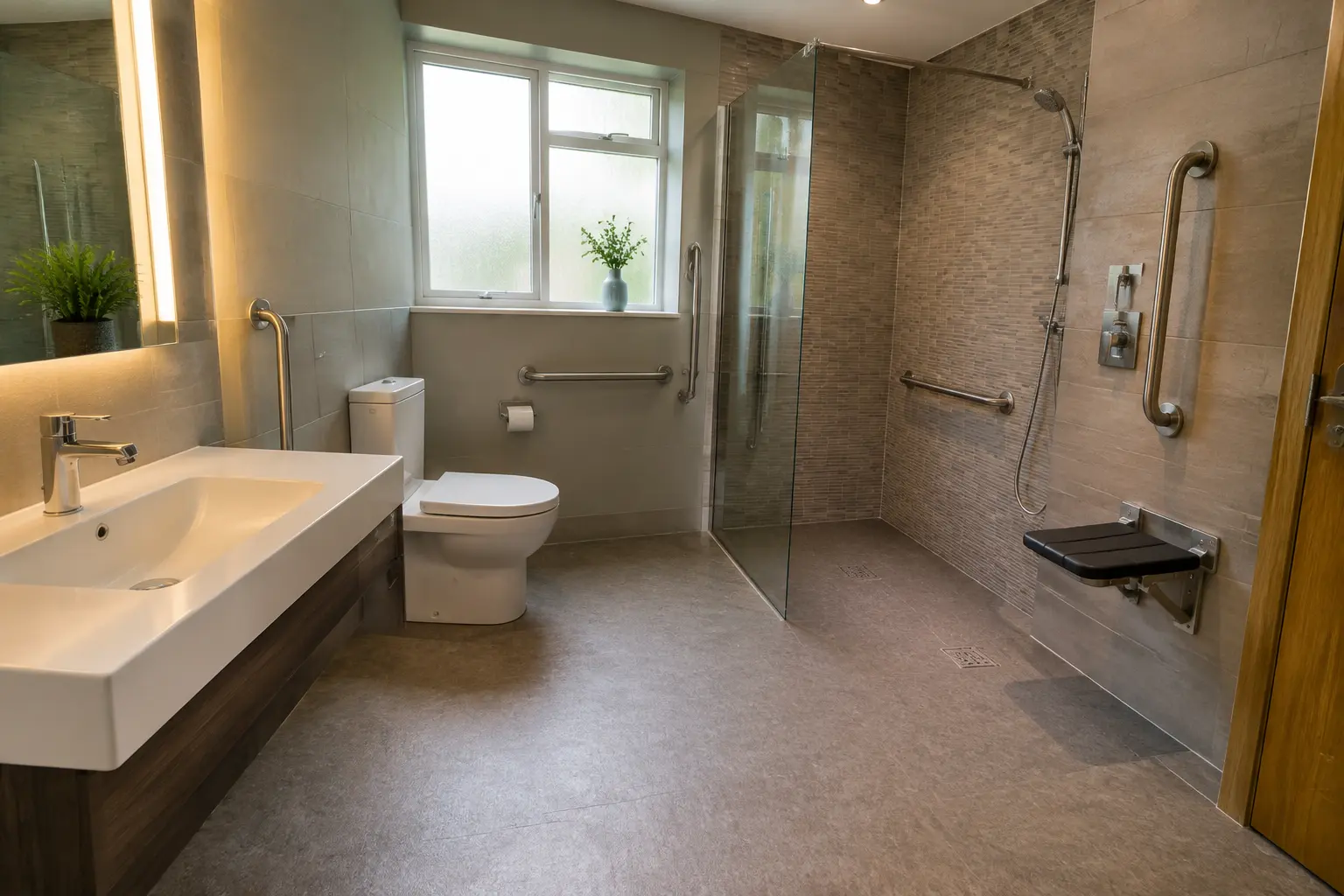
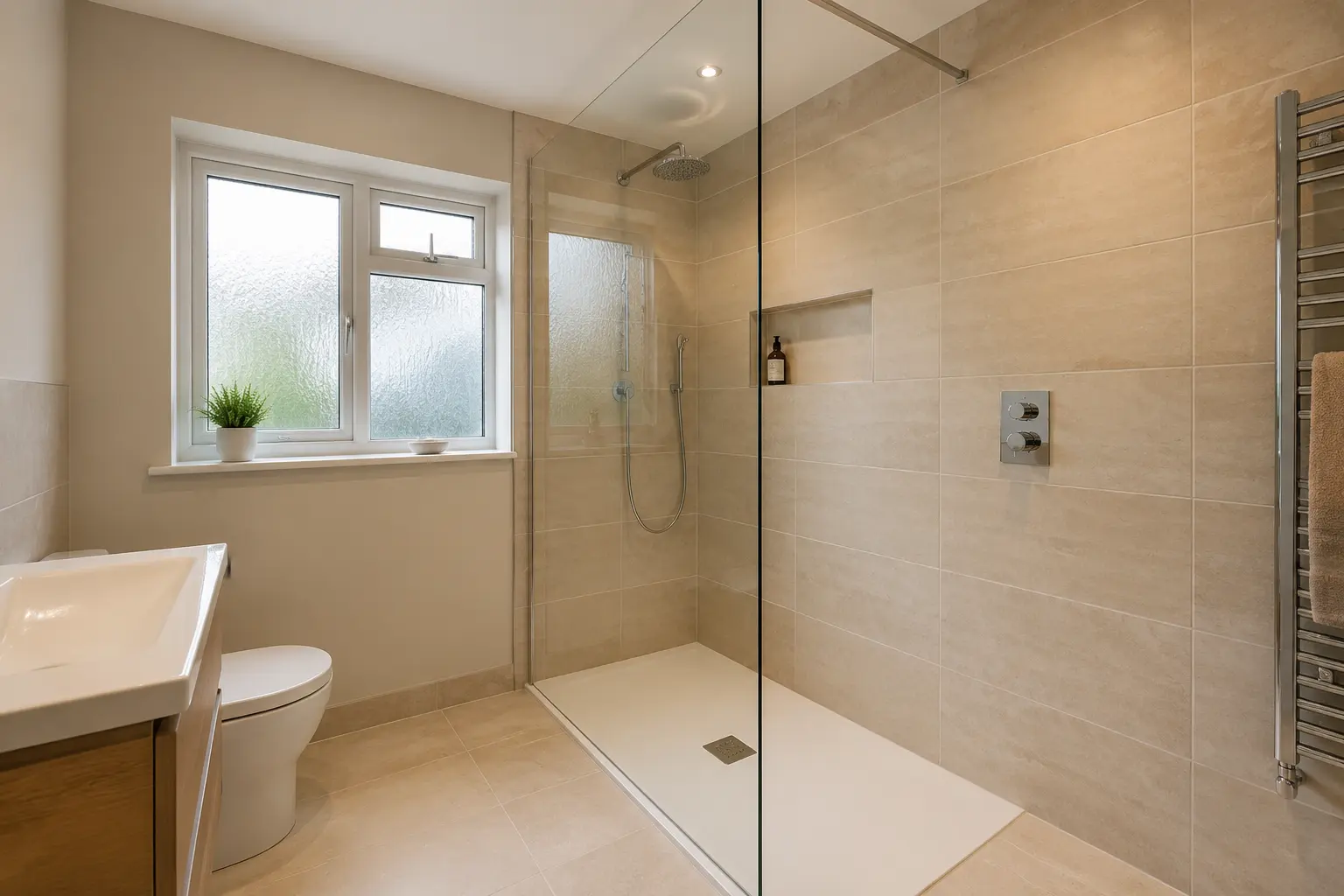
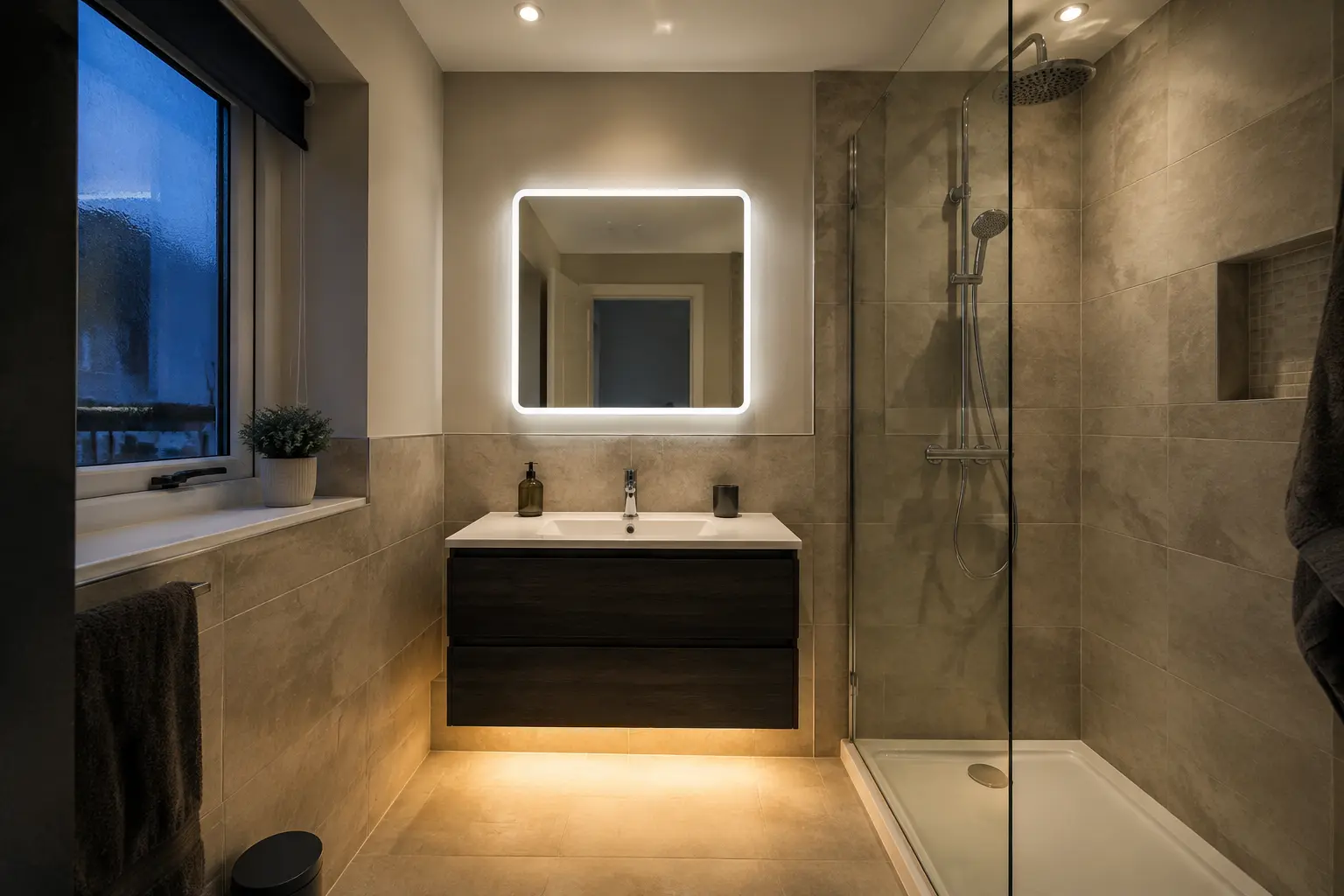
A shower is more than the valve and head. The tray or wet-room floor, screen and entrance determine how comfortable it is to use. Check the clear opening and the space inside, particularly if a seat may be needed. A large tray with an awkward entrance can be less useful than a carefully arranged smaller shower.
Discuss where spray will fall and how the screen contains it. An open entrance looks spacious, but a compact room may benefit from a more enclosed arrangement. Check door movement against the toilet and basin. Ask the fitter to confirm the proposed step height after allowing for the drain, pipework and existing floor, rather than assuming the tray will sit flush.
Replacing a shower or changing the whole area
If you only need a faulty shower replaced, ask which parts can stay and whether the new product fits the existing connections. A new valve may not cover the same wall openings. Replacing a screen can also be difficult if the required fixings or dimensions have changed. These details affect whether surrounding finishes need work.
If the shower area leaks, replacing the visible shower unit may not solve the problem. The cause could involve a connection, drain, seal or the construction behind the finish. Explain where and when water appears and arrange an assessment. Do not keep using a shower that is causing damage simply because the water flow and temperature still seem normal.
Prepare for the installation discussion
Take note of your current shower type and any model details you can read safely without dismantling it. Describe what you like and dislike, the available space and who will use the room. Mention storage, cleaning and access as well as the preferred finish. This helps narrow the choices before you spend time comparing unsuitable products.
Our shower-installation page explains the service to discuss in Ayr. Ask for the chosen model, associated electrical or plumbing work and any repairs to walls or floors to appear in the quote. Once fitted, keep the instructions and ask how to operate and maintain the shower. A suitable product installed correctly is more useful than a feature list alone.
For help with your own room, see shower installation in Ayr.
See Electrical Safety First’s bathroom guidance for electrical safety advice.