Agree a timetable for your bathroom
The time needed to fit a bathroom depends on the room, the changes and the work underneath the old fittings. Replacing a suite in the same positions is a different job from moving walls, rebuilding a floor or creating a wet room. The timetable needs to allow for the work in your own room.
Ask for the expected start and finish dates once the room has been checked and the products chosen. Find out which parts of the timetable depend on deliveries or work by another trade. You should also know who will tell you if something changes. A clear update is more helpful than discovering a delay when nobody arrives.
Before the old bathroom is removed
Product choices affect when fitting can start. Check that the bath or shower, furniture, taps and finishes will be available when needed. A substitute is not always a simple swap: a different shower tray may change the drain position, and another vanity may need different pipe connections. Approve changes before the fitting work begins.
Make space for deliveries and agree where the materials can be stored. Clear toiletries, towels and personal items from the room. Tell the fitter about stairs, narrow doors or parking restrictions that could affect bringing products inside. If you work from home, ask when the noisiest work is expected so you can make arrangements around it.
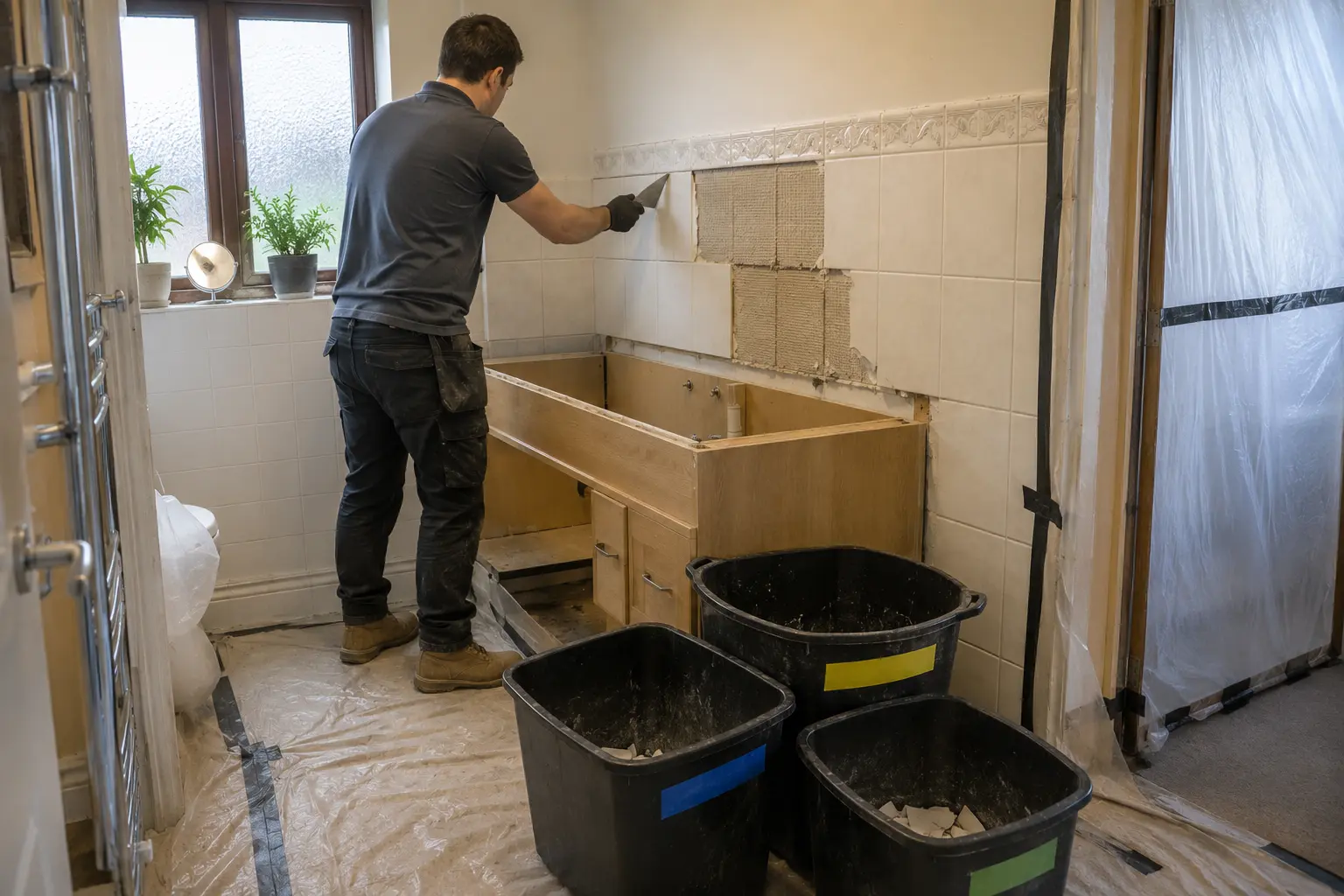
Removing the existing bathroom
The first stage usually involves making the services safe and removing the agreed old fittings and finishes. This reveals the walls and floor that the new bathroom will rely on. Tiles can hide damaged plaster or previous leaks, while old flooring can conceal repairs that need further attention. These findings can change the amount of preparation needed.
Ask how waste will be removed and how the route through your home will be protected. Keep children and pets away from the working area. Your fitter should explain which services need to be turned off and when. Do not assume that a toilet or basin will remain usable throughout the removal simply because it is staying in the same position.
Preparing walls, floors and pipework
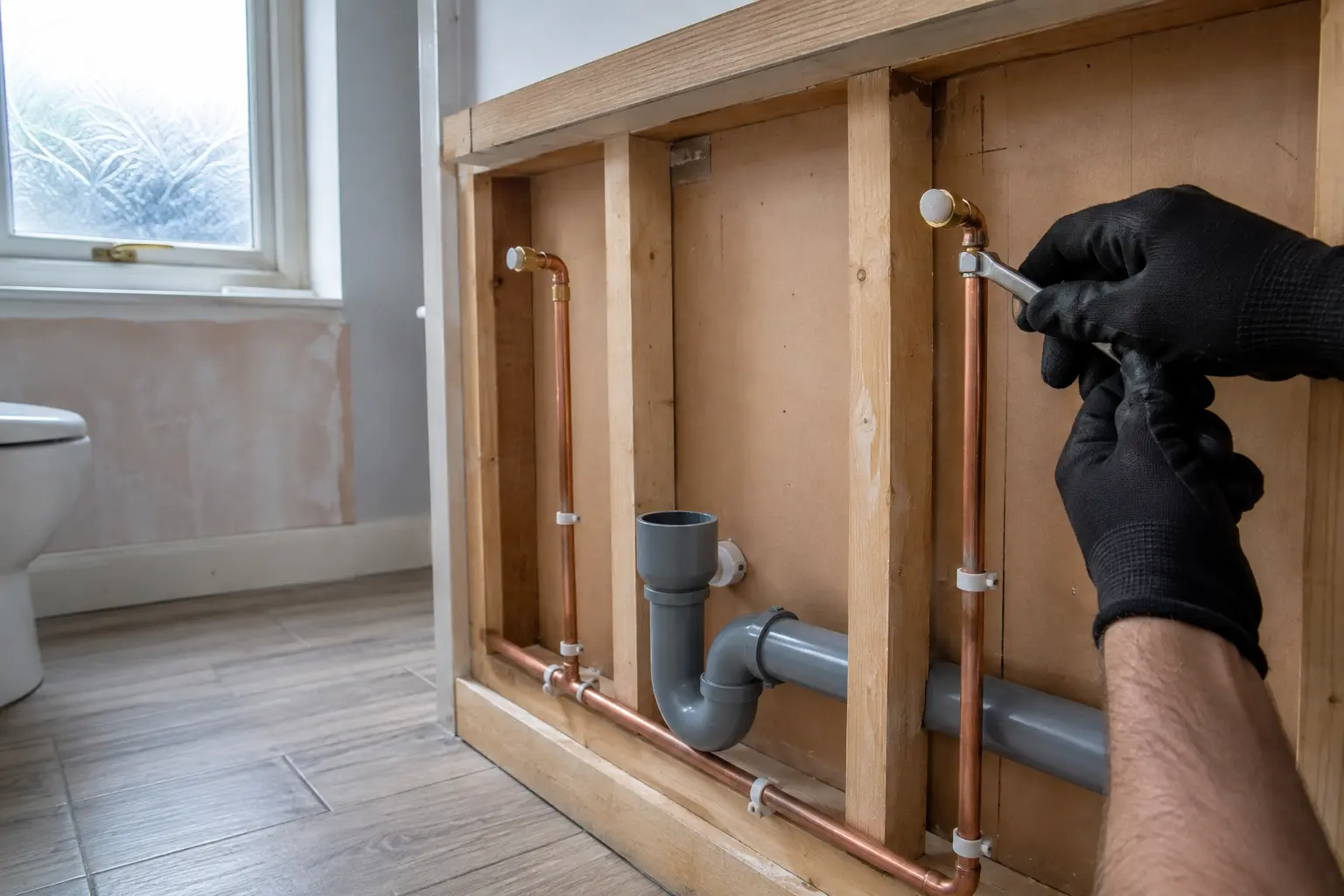
Preparation is part of the bathroom fitting, even when there is little visible progress towards the finished room. Walls may need levelling, pipework may need moving and floors may need strengthening or repairing. The shower area needs the correct waterproofing for the chosen system. Covering these jobs too quickly can create problems later.
Some products need time to dry, cure or be tested before the next stage. The relevant manufacturer’s instructions determine those waiting times. Ask the fitter to explain any planned gaps in the schedule so you know why they are there. It is better to allow the correct time than to ask for a room that looks finished before it is ready to use.
Fitting and checking the new bathroom
The exact order varies with the products and layout. Wall and floor finishes, the bath or shower, furniture, sanitary fittings and electrical items must fit together properly. A shower screen may be fitted after the surrounding finishes are complete. A product that arrives damaged or with a missing part can hold up that stage.
Near the end, the work includes checking connections, drainage and operation, rather than simply fitting the final accessories. Ask when the shower, bath and basin can first be used, especially where fresh sealant has been applied. Keep product instructions and any paperwork supplied for the work. Report anything that needs attention while the fitter can see it with you.
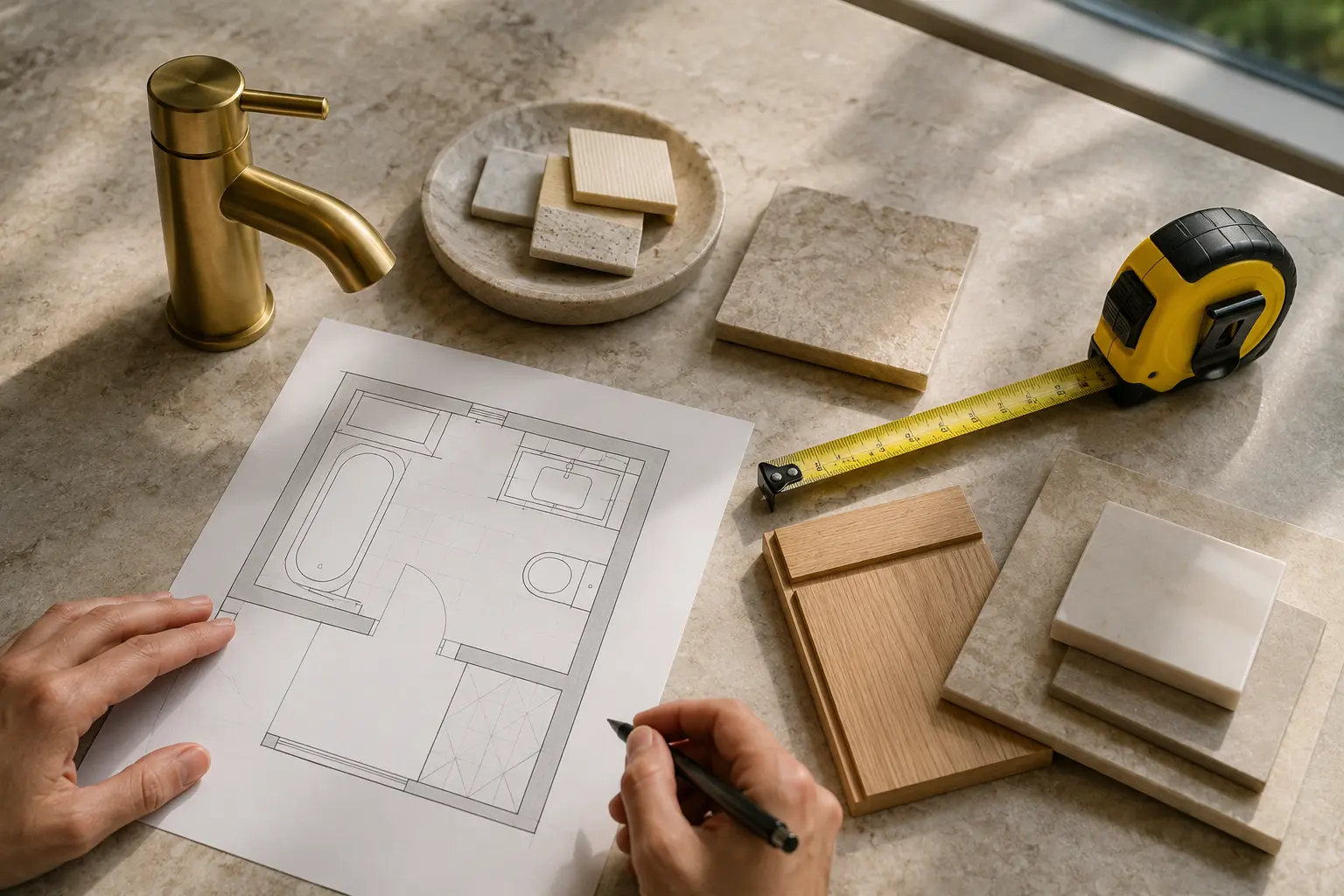
Managing without your usual bathroom
Tell the team early if this is your only bathroom. Ask specifically about toilet access, washing and when water will be off. Temporary access depends on the actual work; it should not be assumed or promised without checking. You may need to arrange another place to shower for part of the fitting.
Think about everyone who uses the home. Someone with limited mobility may need different arrangements from someone who can use a bathroom upstairs. Explain practical access needs without putting private medical details in a website form. Discuss pets, young children and any times when access to the house is difficult so the team can plan around them where possible.
What happens if the timetable changes?
Hidden damage, a delivery problem or an agreed change to the design can affect the finish date. Ask for a clear explanation of the problem, the work needed and the revised timing. If extra work costs more, confirm that separately in writing. Avoid adding new products midway through the job without checking the effect on fitting.
Our bathroom installation page explains the work to discuss for an Ayr bathroom. When you enquire, describe the room and any date you are hoping to work around. The useful outcome is a realistic agreed timetable for your own home, with updates when circumstances change, rather than an unqualified promise that every bathroom takes the same number of days.
For help with your own room, see bathroom installation in Ayr.